
A clear, evidence-based guide to protecting your wooden shed, inside and out, matched to the climate where you live. Based on real-world customer feedback and verified manufacturer data.
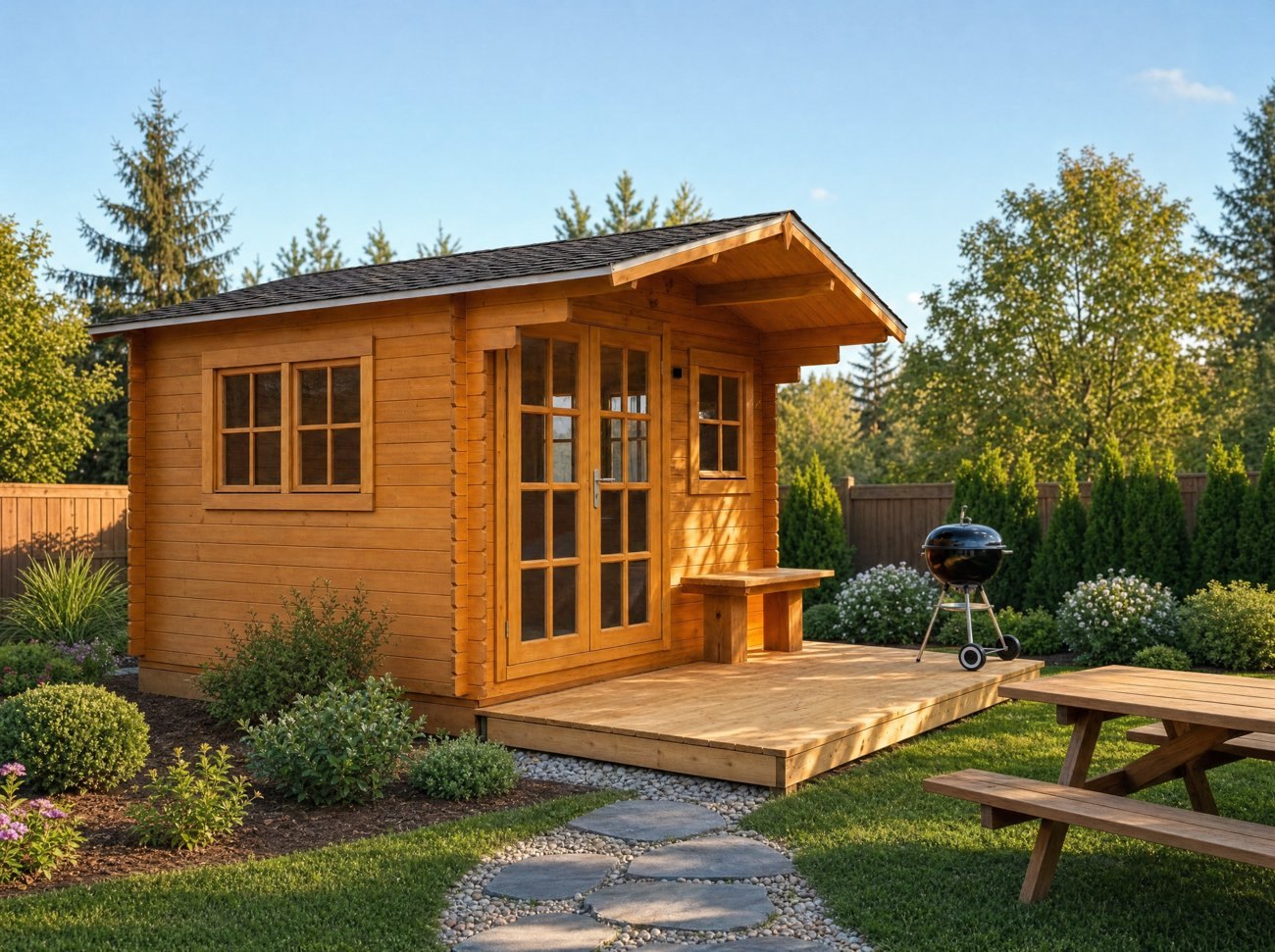
In a hurry?
Should I paint or stain my shed? The quick answer
Finishing your shed is a simple weekend job with basic tools: a brush, a bucket and a garden hose. Most of the time, this is all there is to it:
Pick your finish
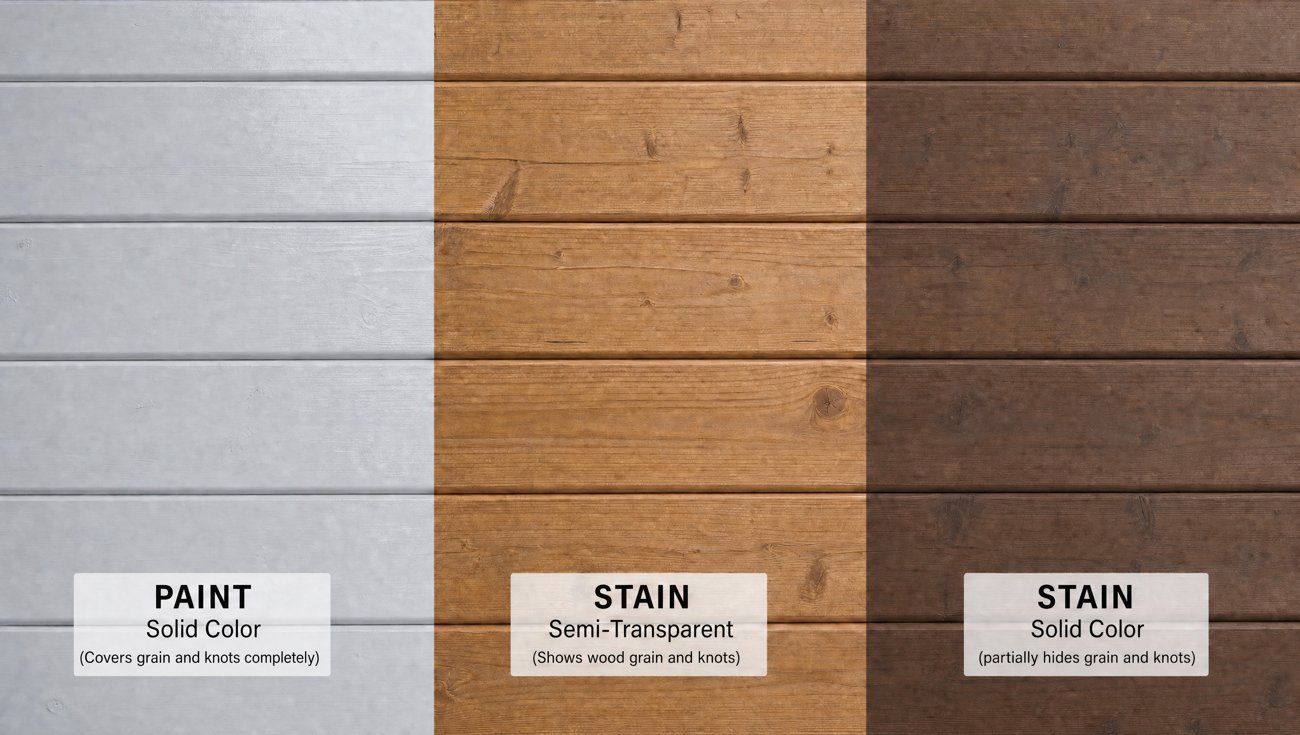
Love the wood look? A semi-transparent or semi-solid exterior stain (e.g. Benjamin Moore Woodluxe). Prefer solid color? A premium self-priming acrylic paint. Your region has the best pick.
Clean + two coats
Wipe off the dust with a wet rag, or hose it off, let it dry a couple of days, apply two coats, board ends included. Done in a weekend.
Easy upkeep
Rinse once a year. Refresh the stain when the color looks tired, about every 3 years or as needed. One easy coat, no stripping, no sanding.
Everything else in this guide is optional depth: special regions (like Southern California), fixing problems if they ever appear, and maximum-protection extras for those who enjoy doing things thoroughly. Dip in as deep as you like.
Your shed's wood
First, know your wood
Every SolidBuild shed is built from slow-grown Norway spruce, the same premium softwood used in the best European cabin kits. Knowing how spruce behaves is the key to choosing the right finish.
Picea abiesNorway Spruce
Grown slowly in the cold forests of Scandinavia and the Baltics, Norway spruce has tight growth rings, good dimensional stability, and a pale, clean appearance. In US lumber terms it grades as No. 1 (Construction): high strength, tight knots, neat appearance. For finishing, these traits matter most:
The core decision
Paint vs. stain, in plain language
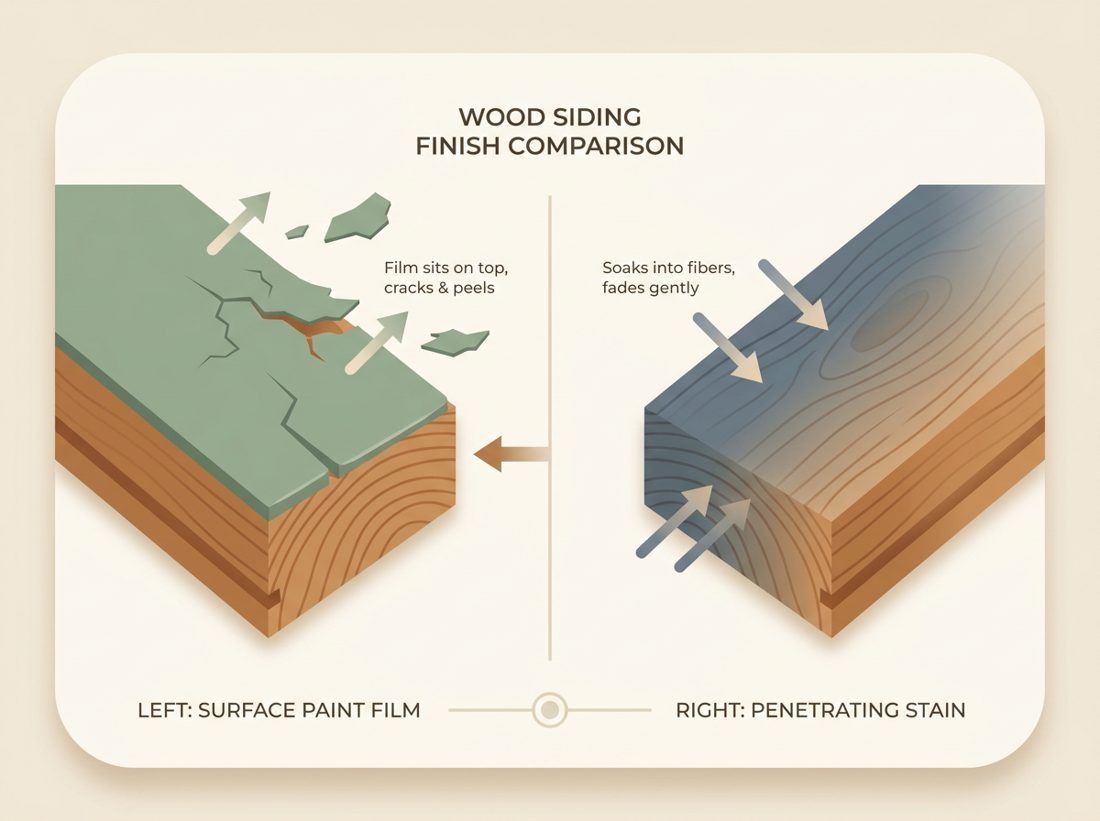
The single biggest difference is where the finish lives. Paint and solid stain form a film on top of the wood. Penetrating stain soaks into the wood fibers instead.
That one fact drives everything else: how each one fails, how often you recoat, and how much work that recoat is.
The trade-off in short: Paint lasts longer and fully covers the wood, but when it fails it peels and cracks and must be scraped and primed. Stain lasts a shorter time and lets the grain show, but it fades gently and you simply clean and re-apply, with no scraping.
Protection
Paint and solid stain give the heaviest moisture and UV barrier. Penetrating stain protects well too, and crucially, it lets trapped moisture escape instead of blistering.
Longevity
Plan realistically: penetrating stain likes a fresh coat about every 3 years, or as needed. The sun-facing wall usually goes first. Quality paint lasts about 8 years. A stain refresh is one easy coat.
Maintenance
Paint fails by peeling (scrape, sand, prime, repaint). Stain fails by fading (wash and recoat). Match the choice to how much upkeep you want.
Find your region
Your region at a glance
Scroll down for the full breakdown of each region. Here's the headline recommendation at a glance.
| Your region | Best choice | The one big reason |
|---|---|---|
| Hot-Humid Southeast | Semi-transparent stain | It breathes, so constant humidity can't get trapped and blister the finish. |
| Arid Southwest | Semi-transparent stain | Brutal UV destroys surface films; penetrating stain fades instead of peeling. |
| Cold North / Midwest | Premium paint or stain | Freeze-thaw is the enemy, so a flexible 100% acrylic paint or a film-free stain both work. |
| Marine / Pacific NW | Penetrating oil stain | Persistent damp makes paint blister; stain sheds water without trapping it. |
| Temperate Northeast | Premium paint | The mildest case, where paint's long life pays off. |
| Mountain / High-Altitude | Semi-transparent stain | Thin-air UV is extreme; tinted penetrating stain ages most gracefully. |
Region by region
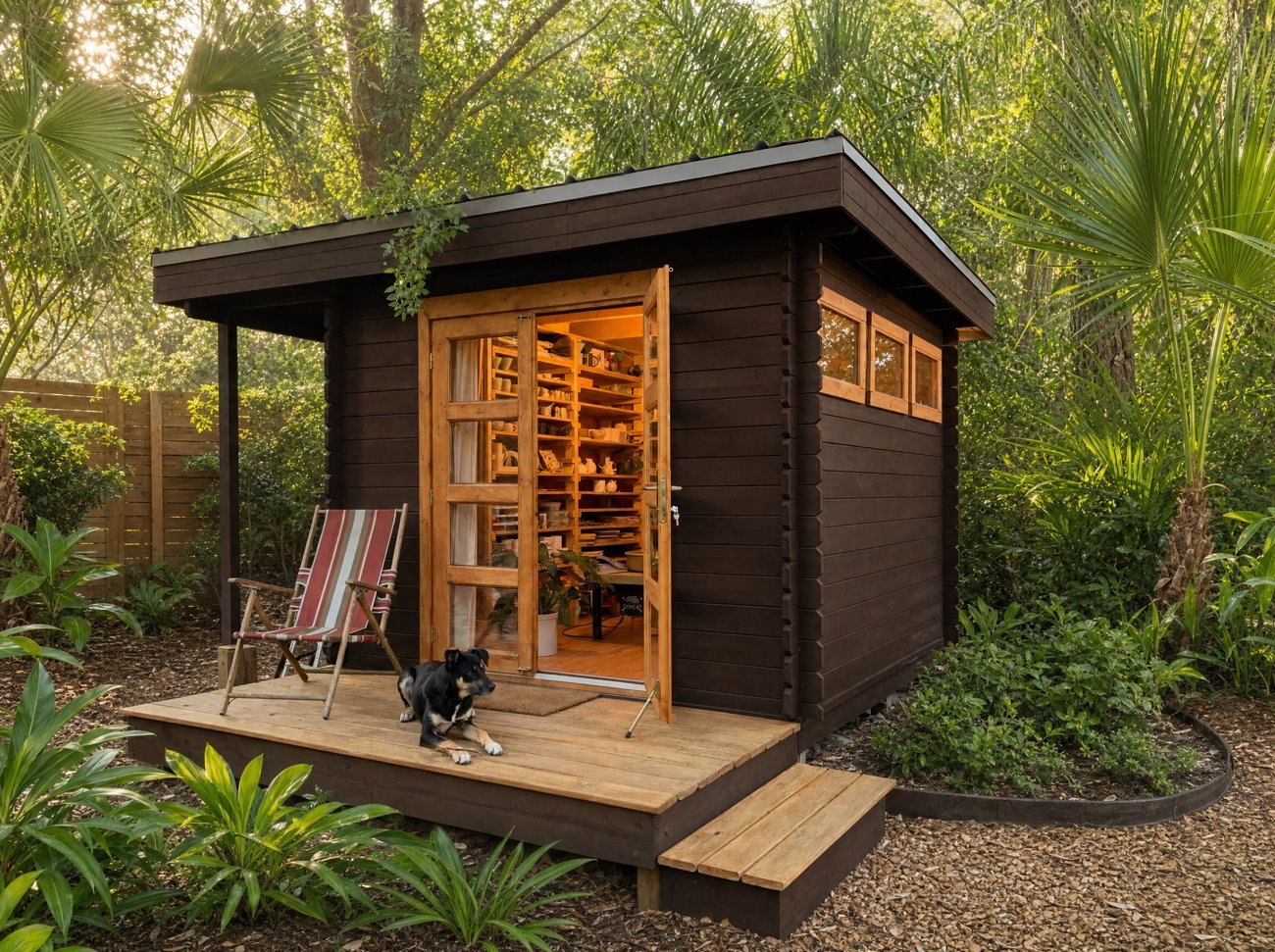
Hot-Humid Southeast
If you're in Florida, Georgia, Louisiana, the Carolinas or coastal Texas, you're dealing with constant humidity and heavy mildew. We recommend a breathable, penetrating finish. It keeps moisture from getting trapped behind a film, which is the number one cause of blistering and peeling here.
Top picks (premium)
- Benjamin Moore Woodluxe (semi-solid), our all-round favorite; easy to buy nationwide.
- Defy Extreme, water-based semi-transparent; zinc-particle UV + strong mildew resistance.
- TWP 1500 Series, penetrating oil with EPA-registered mildewcide.
- If you prefer paint: Benjamin Moore Aura Exterior (mildew-resistant). Wood must be dry first.
Watch-outs
- Humidity: never coat damp wood or paint will blister.
- Mildew: choose formulas with a mildewcide; clean before every recoat.
- If water ever gets in: the troubleshooting steps at the end cover it.
Arid Southwest
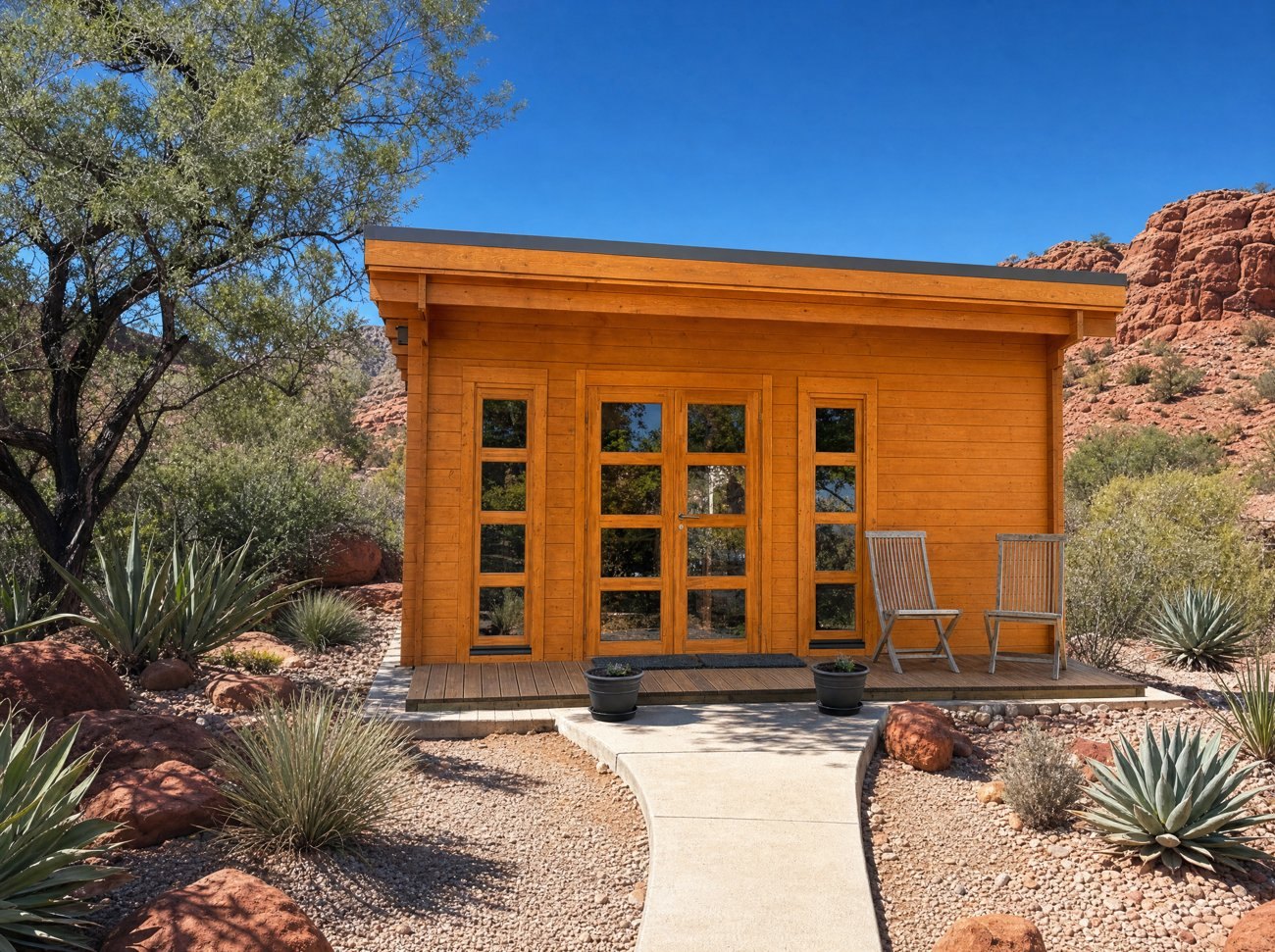
In Arizona, New Mexico and Nevada, moisture isn't the threat. The sun is. Intense UV breaks down surface films, so we recommend a tinted penetrating stain. It protects the wood and fades evenly rather than cracking. Southern California is a special case, so see the dedicated SCAQMD section below for the California-legal system.
Top picks (premium)
- Benjamin Moore Woodluxe (semi-solid), our all-round favorite, and California-legal.
- TWP 1500 Series, UV absorbers + preservative; tint is essential (clear finishes fail fast).
- Defy Extreme, zinc nano-particle UV protection. (AZ/NV only, not SCAQMD-legal.)
- If painting: BM Aura / SW Duration in light, earth-tone colors.
Watch-outs
- UV: avoid clear finishes and dark colors, since both fail quickly.
- Heat: coat early morning or late afternoon to avoid flash-drying.
- If water ever gets in after a rare desert downpour: see the troubleshooting steps.
Cold North / Midwest
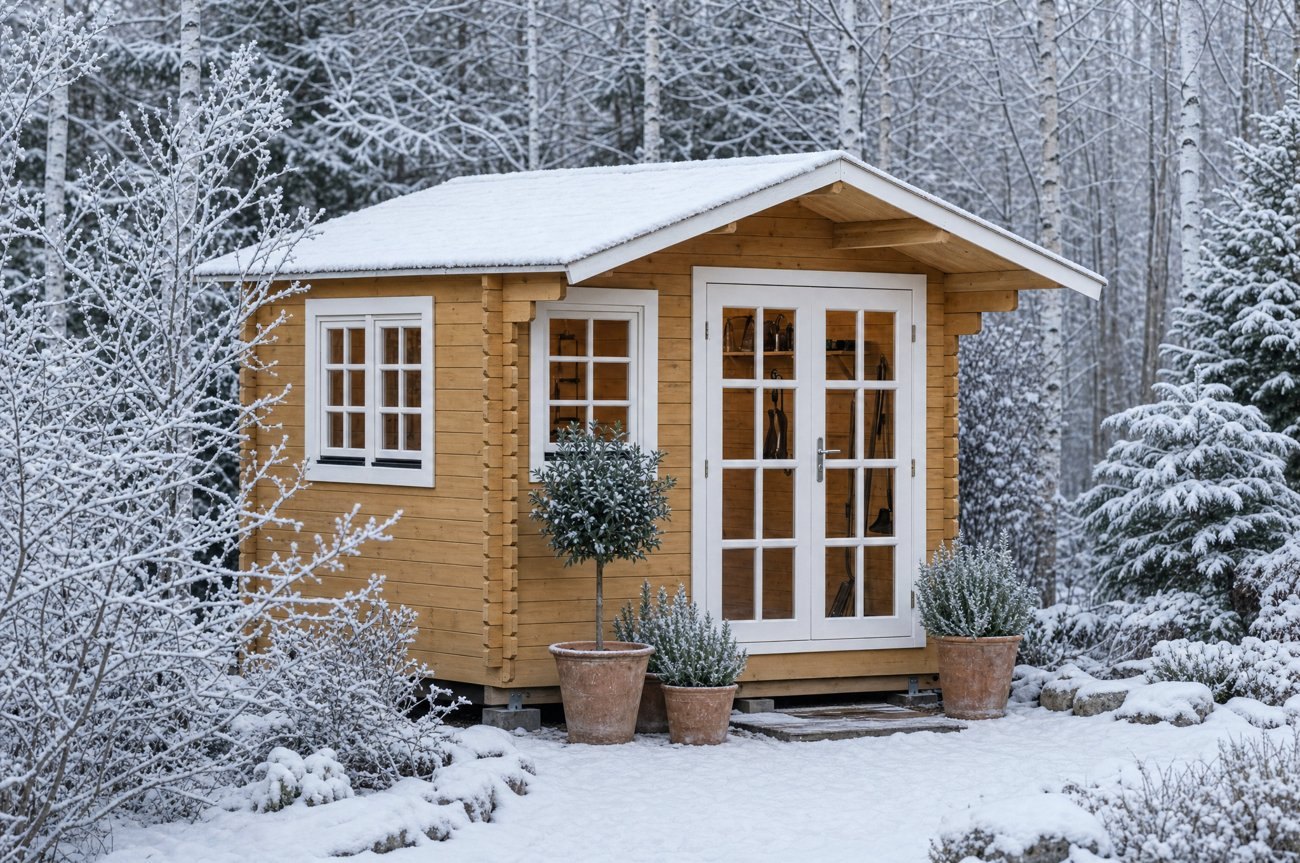
Minnesota, Wisconsin, Michigan and the Dakotas swing more than 100°F across the year. The deciding factor is flexibility: the finish has to move with the wood through freeze-thaw without cracking. A true 100% acrylic paint flexes well; a film-free penetrating stain can't crack at all.
Top picks (premium)
- Benjamin Moore Aura Exterior, applies down to ~35°F, extending your season.
- Sherwin-Williams Duration, flexible 100% acrylic ("PermaLast").
- Prefer stain? BM Woodluxe (semi-solid), TWP 1500 or Armstrong Clark.
Watch-outs
- Freeze-thaw: insist on 100% acrylic, because cheaper vinyl-acrylic blends go brittle and crack.
- Short seasons: spring and fall give narrow dry, warm-enough windows.
- Moisture: keep wood dry before coating (tricky in fall).
- If water ever gets in: the troubleshooting steps at the end cover it.
Marine / Pacific Northwest
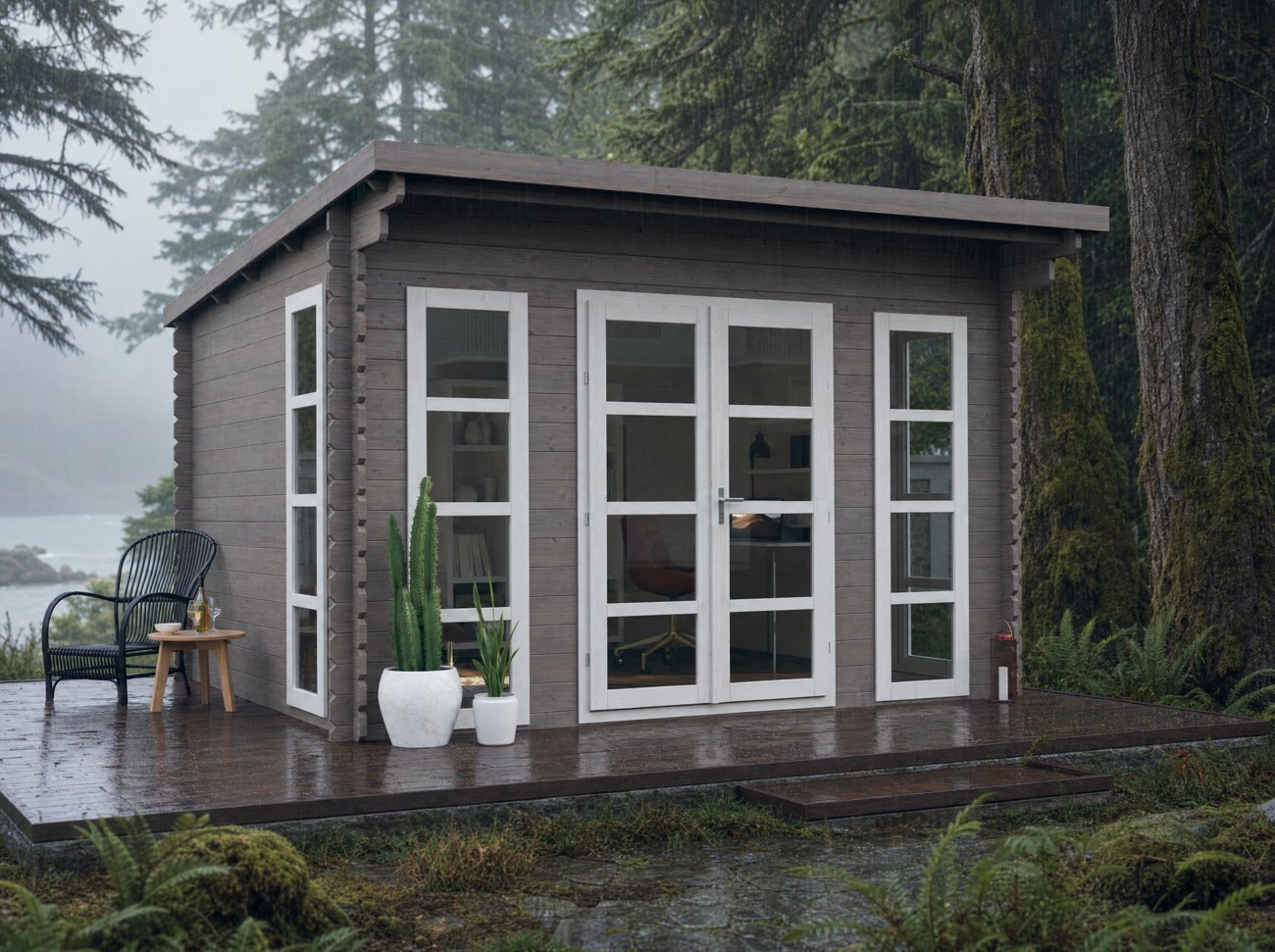
Western Washington and Oregon stay damp for months, and that's hard on paint. Water works behind the film and lifts it. We recommend a penetrating stain here: it sheds water while letting the wood breathe, which is why it's the regional favorite.
Top picks (premium)
- PPG ProLuxe SRD (formerly Sikkens Cetol SRD), penetrating, fades instead of peeling.
- TWP 1500 Series, penetrating oil, mildew-resistant.
- Sansin SDF, water-borne penetrating finish; tolerates higher wood moisture.
- BM Woodluxe (semi-solid), also performs well here and is easy to buy.
Watch-outs
- Damp: highest-risk region for paint blistering, so favor breathable finishes.
- Dry window: oil stains need a dry spell (often July to September).
- If water ever gets in: the troubleshooting steps at the end cover it.
- Film stains (e.g. ProLuxe Log & Siding): beautiful but only if you keep to the maintenance schedule.
Temperate Northeast / Mid-Atlantic
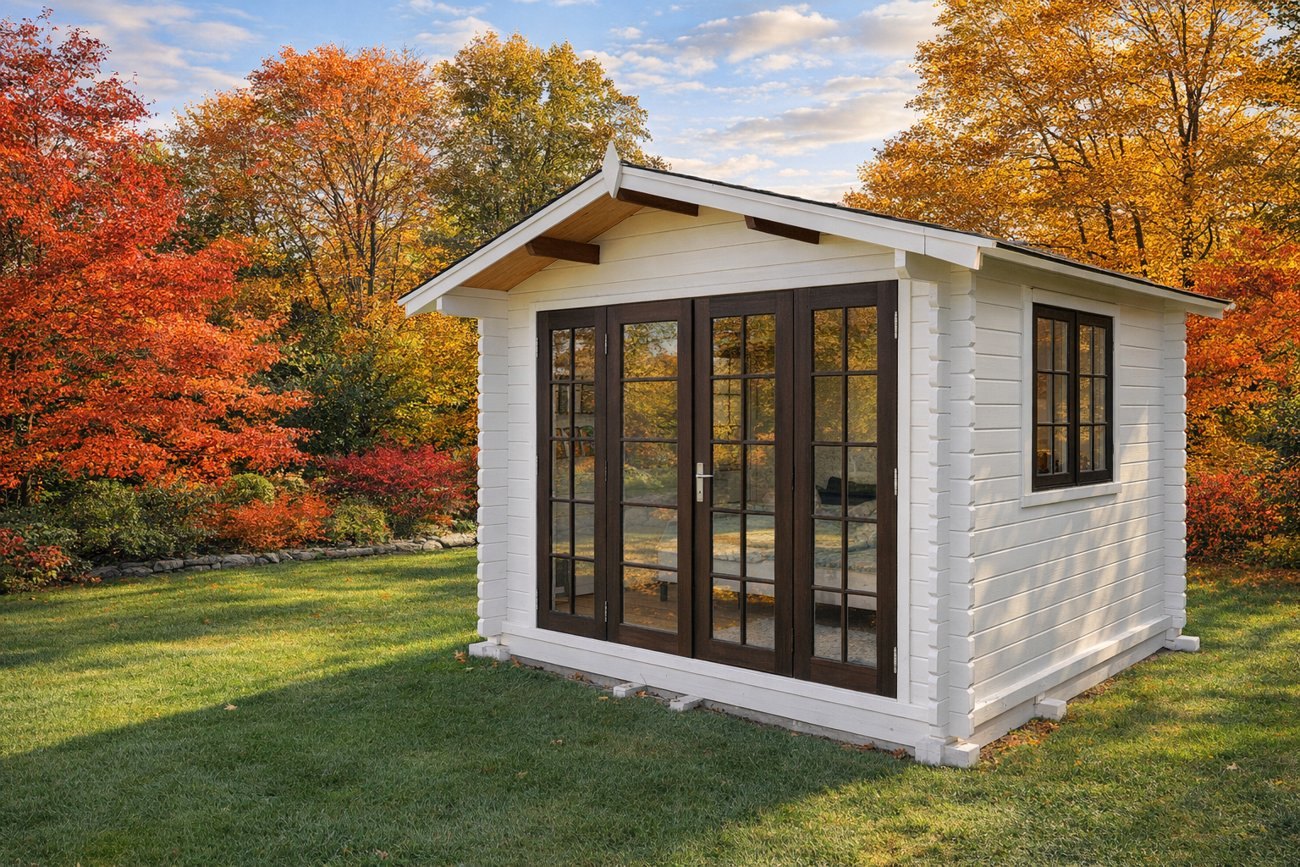
New York, Pennsylvania, New Jersey and New England get a balanced four-season climate, so no single stressor dominates. This is the one region where premium paint reaches its full lifespan, often well past eight years. If you want the longest stretch between jobs, that's where we'd point you.
Top picks (premium)
- Benjamin Moore Aura Exterior, top-tier 100% acrylic, limited lifetime warranty.
- Sherwin-Williams Duration, self-priming 100% acrylic.
- Prefer the natural look? BM Woodluxe, TWP 1500 or Armstrong Clark stain.
Watch-outs
- Summer humidity: manageable, but let wood dry before coating.
- Mild freeze-thaw: 100% acrylic handles it easily.
- If water ever gets in: the troubleshooting steps at the end cover it.
- Spruce knots: a stain-blocking primer under paint is enough.
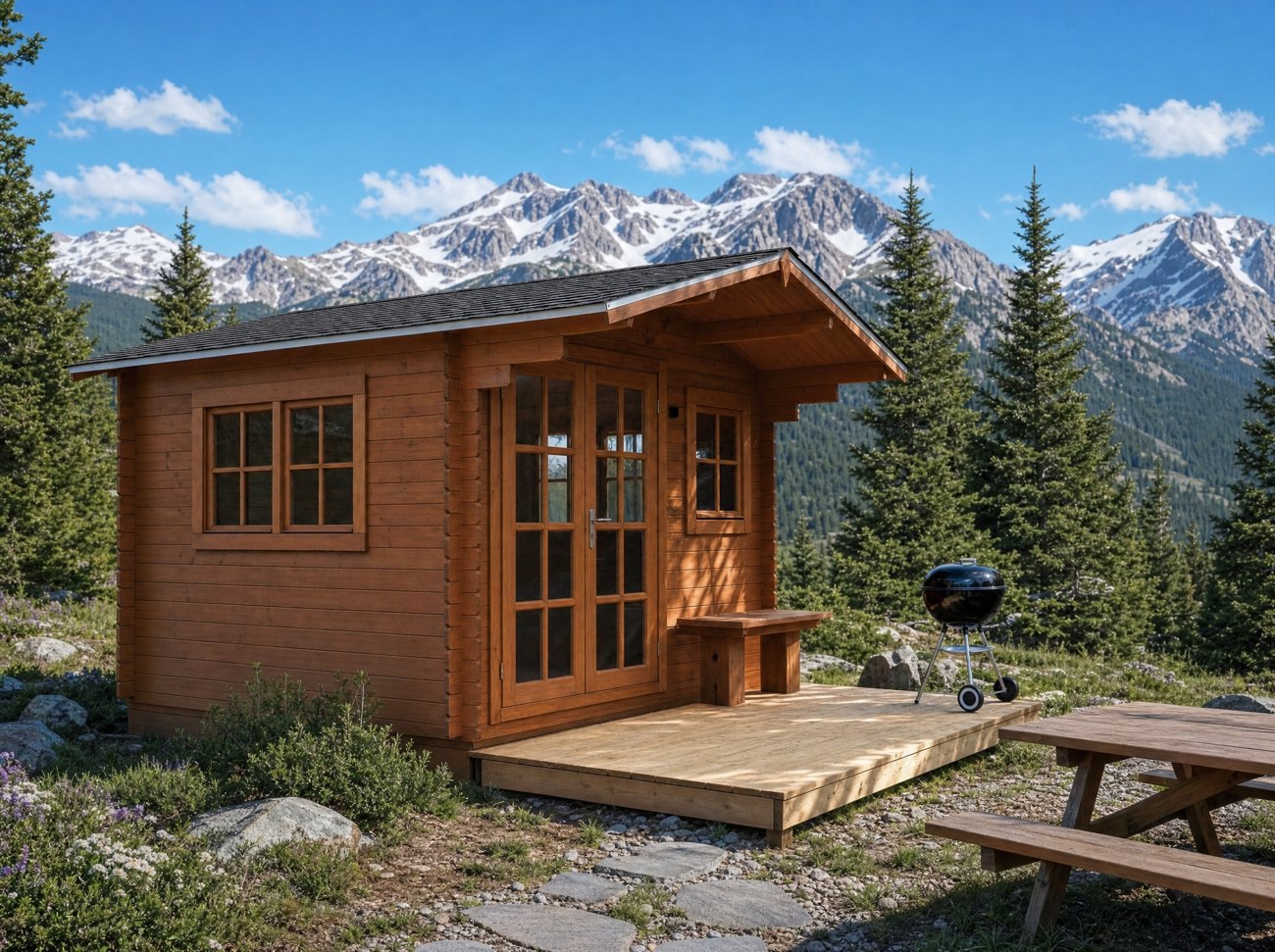
Mountain / High-Altitude
Colorado, Utah, Wyoming and Montana combine thin-air UV with big day-to-night temperature swings. UV at elevation degrades films fast, and the temperature cycling cracks rigid coatings. A tinted penetrating stain handles both, so that's what we recommend.
Top picks (premium)
- Armstrong Clark Semi-Solid, strong pigment for elevation (may need annual touch-up high up).
- TWP 1500 Series, must be tinted; lightest tinted color is 1515 Honeytone.
- Defy Extreme, zinc-particle UV defense.
- BM Woodluxe (semi-solid), strong pigment load, easy to buy.
Watch-outs
- Extreme UV: never use clear finishes, because color is what stops UV graying.
- Diurnal swing: 40 to 60°F daily swings crack rigid films; penetrating stain can't crack.
- If water ever gets in: the troubleshooting steps at the end cover it.
Special rules, special plan
Do I need special paint for a shed in Southern California?
Southern California needs its own plan, for two reasons at once. First, the climate: many months of dry heat, then rare but violent "atmospheric-river" rain. The wood shrinks all summer, joints open, and then a storm drives water straight into knots, corners and board ends. Second, the law: the South Coast Air Quality Management District (SCAQMD) has the strictest coating rules in the country, so the product that's legal and effective here is different from the rest of the US. This section is the plan for that.
The rule in plain terms (SCAQMD Rule 1113): exterior stains and waterproofing sealers are capped at 100 g/L VOC in the South Coast district (LA, Orange, and parts of Riverside & San Bernardino counties). Many excellent national products are 250 to 275 g/L and are simply not legal to sell or ship for use here. Brand names can be identical while the California can is a different, lower-VOC formula, so always confirm the can says the compliant version.
The system we recommend for a SoCal shed
The core job is the same simple one as everywhere else: two coats of a breathable, California-legal finish. A hard paint film is the wrong choice here, because when water does wick in at a lap or end, the film traps it and blisters. The optional extras below add protection at the known entry points. They're worth more in this climate than anywhere else, but they're upgrades, not requirements, and they apply in any region, not just California:
| Step (in order) | Product (California-legal) | Job | VOC / compliance | Where to buy |
|---|---|---|---|---|
| 1. Finish, premium | Benjamin Moore Woodluxe Water-Based, Semi-Solid | Two coats over the whole shed, board ends included; breathable penetrating finish, semi-solid hides knots & blocks UV. For most sheds this is the whole job. | <100 g/L, SCAQMD-listed ✓ | Benjamin Moore dealers + Ace, throughout SoCal |
| 1-alt. Finish, value | Preserva Wood 100 VOC (semi-transparent, oil) | Same job: penetrating oil stain + sealer, made for the SoCal market | 100 g/L "100 VOC" SKU, compliant ✓ | The Home Depot (confirm the "100 VOC" can) |
| Optional: sand ends first | – | Sawn ends drink stain and dry darker than the walls. If you'd like the ends to color-match, smooth them first with hand sandpaper (or an orbital sander if you want it faster) before staining. Purely cosmetic, so skip it if you don't mind the ends a shade darker. | – | – |
| Optional: seal board ends | Perma-Chink Log End Seal (or equivalent end-grain sealer) | For extra protection, coat the ends after the stain has fully dried. Water-based stains only (fine over Woodluxe WB; not over the oil-based Preserva option). Apply one THIN coat with a paint pad or sponge brush. A thick or rain-wet coat stays white for weeks. | Fine in most of the US; not confirmed for SCAQMD. In the LA district, simply flood the ends with extra coats of your stain instead. | Perma-Chink direct / dealers |
| Optional: max protection | Wood preservative / water-repellent in the T&G profile | Brush into tongue & groove during assembly, as the walls go up (European method). Protects mating surfaces without gluing the joint. Treat and stack the same day; never treat boards and leave them lying out. Skip for a simple shed; application quality is critical, since uneven application can affect stain absorption and warp drying boards. | Choose a SCAQMD-compliant product | Home Depot / log-home suppliers |
If you choose the end-sealing option, order matters: stain the ends BEFORE sealing them. The sealer is a clear film: on bare wood it stops the end grain absorbing stain, leaving pale mismatched spots. Correct sequence: (optionally sand ends) → stain everything, ends included → let dry → then seal the ends. And if you mix brands (say, a Perma-Chink sealer over a Benjamin Moore stain), it usually works fine, but try it on a small patch first, since no maker guarantees another brand's product.
Why semi-solid opacity
On knotty spruce, a semi-transparent finish shows every knot and any future repair spots, and its light pigment gives weak UV protection under the relentless sun. A solid finish hides everything but behaves like paint: a film that cracks and traps moisture on wood swinging 15% to 5%. Semi-solid is the sweet spot: enough pigment to soften the look of knots (and any later repairs) and block UV, while staying penetrating and breathable so the wall dries outward.
What we'd avoid in SoCal
- Defy Extreme: current formula is <250 g/L; the maker states it cannot ship to SCAQMD / Orange County. (Older <100 sheets are superseded.)
- PPG ProLuxe SRD (Sikkens Cetol): spec sheet ~275 g/L; not SCAQMD-legal.
- Any "national formula" stain at 250 g/L, even if the brand also sells a compliant version elsewhere.
- Solid paint/film as the primary finish: moisture-trap risk in this exact climate.
Maintenance in SoCal: a two-hour fall ritual
Every fall, before the rains: hose-wash gently, never a pressure washer, which drives water into the laps, and take a slow walk around the corners, board ends and knots. Refresh the stain about every 3 years, or as needed. The south- and west-facing walls usually go first. A refresh is clean + one coat, no stripping.
The shortlist
The products we recommend
We only recommend top-of-the-line products. Lifespans below separate real-world results from marketing claims.
| Product | Type | Best for | Real-world life | Notes on spruce |
|---|---|---|---|---|
| Benjamin Moore Aura Exterior | Paint | Northeast, Cold North, all-round | ~8 yrs, often more | Self-priming; just spot-seal any knots |
| Sherwin-Williams Duration | Paint | Northeast, Cold North, all-round | ~8 yrs, often more | Self-priming; spruce knots seal easily |
| Benjamin Moore Woodluxe (our top pick) | Exterior stain (semi-trans / solid) | All regions, our best field results | ~3 to 5 yrs | Top-tier exterior wood stain; available water- or oil-based, semi-transparent or solid. Excellent on spruce; low film build resists peeling. |
| PPG ProLuxe SRD (ex-Sikkens Cetol) | Penetrating stain | Pacific NW, Northeast | ~3 to 5 yrs | No film; great on spruce |
| TWP 1500 Series | Penetrating stain | All regions | ~2 to 3 yrs | Must be tinted for UV |
| Armstrong Clark | Penetrating stain | Southwest, Mountain, Cold North | ~3 to 4 yrs | Conditioning oils suit softwood |
| Defy Extreme | Penetrating stain | Southeast, Mountain (NOT SoCal) | ~2 to 3 yrs | Zinc-particle UV + mold. Note: current formula <250 g/L, cannot ship to SCAQMD / Orange County, CA |
| Sansin SDF | Penetrating stain | Pacific NW, Hot-Humid | ~4 to 5 yrs | Penetrates; tolerates damp |
| Preserva Wood 100 VOC | Penetrating stain | Southern California (SCAQMD) | ~2 to 4 yrs | Oil stain + sealer; the buy-at-Home-Depot California-legal value pick |
| Perma-Chink Check Mate 2 | Check sealant | Optional, cracked knots | n/a (water-based, low-VOC) | Clear flexible sealant for knot cracks & checks. The clear version blends with any stain and stretches as cracks move; accepts stain |
| Sashco Conceal | Joint caulk | Last resort, extreme gaps | n/a (~4% wt) | Textured caulk for extreme gaps only: limited color match; never the T&G laps; avoid long vertical corner beads (can restrict settling) |
| Perma-Chink Log End Seal | End-grain sealer | Optional upgrade, apply LAST | <150 g/L (less water), not confirmed for SCAQMD | Board ends after staining, water-based stains only, one thin coat via paint pad (thick or wet coats stay white for weeks). Seal before staining and the ends stay unstained |
| Zinsser Cover Stain | Knot primer | Prep step under paint | n/a | Oil-based; seals spruce knots and tannin |
| General Finishes High Performance (interior) | Floor finish | Interior floors, best value | Hard-wearing, non-yellowing | Quart from most hardware stores or online; ideal for a small floor |
| Varathane / Minwax water-based floor poly (interior) | Floor finish | Interior floors, budget | Good; widely stocked | Quarts at Home Depot and Lowe's; easiest to find |
| Bona Traffic HD (interior) | Floor finish | Interior floors, premium | Toughest, non-yellowing | Pro-grade; pricey and usually flooring stores only |
What to avoid
- Thompson's WaterSeal: wax-based; very short life and blocks future stain adhesion.
- Thick "deck-resurfacer" coatings (e.g. Behr DeckOver): peel catastrophically and can't be maintained.
- Any vinyl-acrylic paint for cold climates: goes brittle and cracks in freeze-thaw. Insist on 100% acrylic.
- Oil-based clear coats indoors if you want to keep spruce pale: they yellow noticeably over time.
- In Southern California: any stain over 100 g/L VOC (e.g. Defy Extreme <250, PPG ProLuxe SRD ~275) is not legal to sell or ship into the SCAQMD district. Use the California-compliant products in the SoCal section above.
- Caulk inside the horizontal T&G laps: it glues the settling joint and causes uneven settling and torn seals. Caulk only knot cracks, board ends and gapping corners.
Applying the finish
How do I apply the finish? For most sheds: clean, dry, two coats
No special skills or equipment needed. Just pick a dry stretch of weather:
Clean & dry
Wipe off dust and dirt with a wet rag, or hose off, then let the wood dry for a couple of warm days with no rain expected.
The 10-second water test
Your boards arrive factory-sanded, so a new shed usually needs nothing. Sprinkle water on a wall: soaks in? You're ready. Beads up, or the wood is dirty or grayed? Wash, then scuff lightly with coarse 60 to 80 grit, never fine sandpaper, which polishes the pores closed.
Two coats, always two
Apply per the label, board ends included so they take color. Water-based stain is ready for its second coat in a few hours; oil-based needs 1 to 2 days. Avoid rain, direct midday sun, and near-freezing weather. That's it.
Tempted to stain or paint each board before assembly? It seems easier to reach the corners that way, and professionals do it in controlled settings, but boards left drying in the sun can warp within hours. Unless you know exactly what you're doing, stain or paint after assembly.
Want maximum protection? (all optional)
If your shed is a bigger investment, lives in a harsh climate, or you simply enjoy doing things thoroughly, add any of these. They're upgrades, not requirements:
- Seal the board ends after staining with a clear end-grain sealer (e.g. Perma-Chink Log End Seal), the quickest, highest-value upgrade on any shed. Water-based stains only, fully dry, one thin coat with a paint pad.
- Check moisture with an inexpensive pin meter and coat when the wood reads below ~15%.
- Seal cracked knots with a clear flexible check sealant (e.g. Perma-Chink Check Mate 2; clear blends with any stain). Reserve textured caulk (Sashco Conceal) for extreme gaps only, and never the horizontal T&G laps, because the wall must settle freely.
- Pre-treat the T&G during assembly (maximum-protection builds only): some European makers brush a wood preservative / water-repellent into the tongue-and-groove as the walls go up (US options: Nisus Tim-bor, Sashco PeneTreat, or Seal-Once). Treat and stack the same day, while the surface is fresh; never treat boards and leave them lying out. One caution: applied unevenly or too heavily it can change how the stain absorbs and leave uneven moisture that warps drying boards. If in doubt, skip it. Done badly it does more harm than good.
How far you take this is up to you. For a simple garden shed, two coats of a good finish is plenty. Keep it easy. For a large shed used as a second home where you want maximum protection, add the extras above and the quick yearly check. Same building, two sensible levels of care.
A realistic note on lifespan: manufacturer "5+ year" claims come from ideal test panels. A real shed has horizontal lap edges that catch sun and rain, so plan on a stain refresh about every 3 years, or simply when the color looks tired, sun-facing wall first, and paint about every 8 years. And honestly? Many owners stain once and never touch it again, and the shed forgives a lot. The schedule here is what keeps it looking its best. Think of it as care, not duty. A stain refresh is a wash-and-recoat afternoon, not a scrape-and-prime weekend.
The maintenance schedule we suggest
| When | If stained | If painted |
|---|---|---|
| Every year | Quick rinse; glance at the sunniest wall and the board ends | Quick rinse; look for hairline cracks on the trims |
| Every ~3 years, or as needed | One fresh coat when the color looks tired (no stripping, no sanding) | Touch up any worn or chipped spots |
| Every ~8 years, or as needed | Deeper refresh: clean & recoat | Full repaint: clean, scrape any flakes, two coats |
South- and west-facing walls and the upward lap edges weather fastest, so check these first each year. Catching wear early is what keeps the longer paint lifespans achievable.
Inside the shed
Finishing the interior
Your floors, walls and ceilings are all the same Norway spruce, but they get very different use. Indoors there's no rain or UV to fight, so the goals shift to wear resistance, keeping the wood looking fresh, and easy cleaning. Match the finish to how much each surface gets touched and walked on.
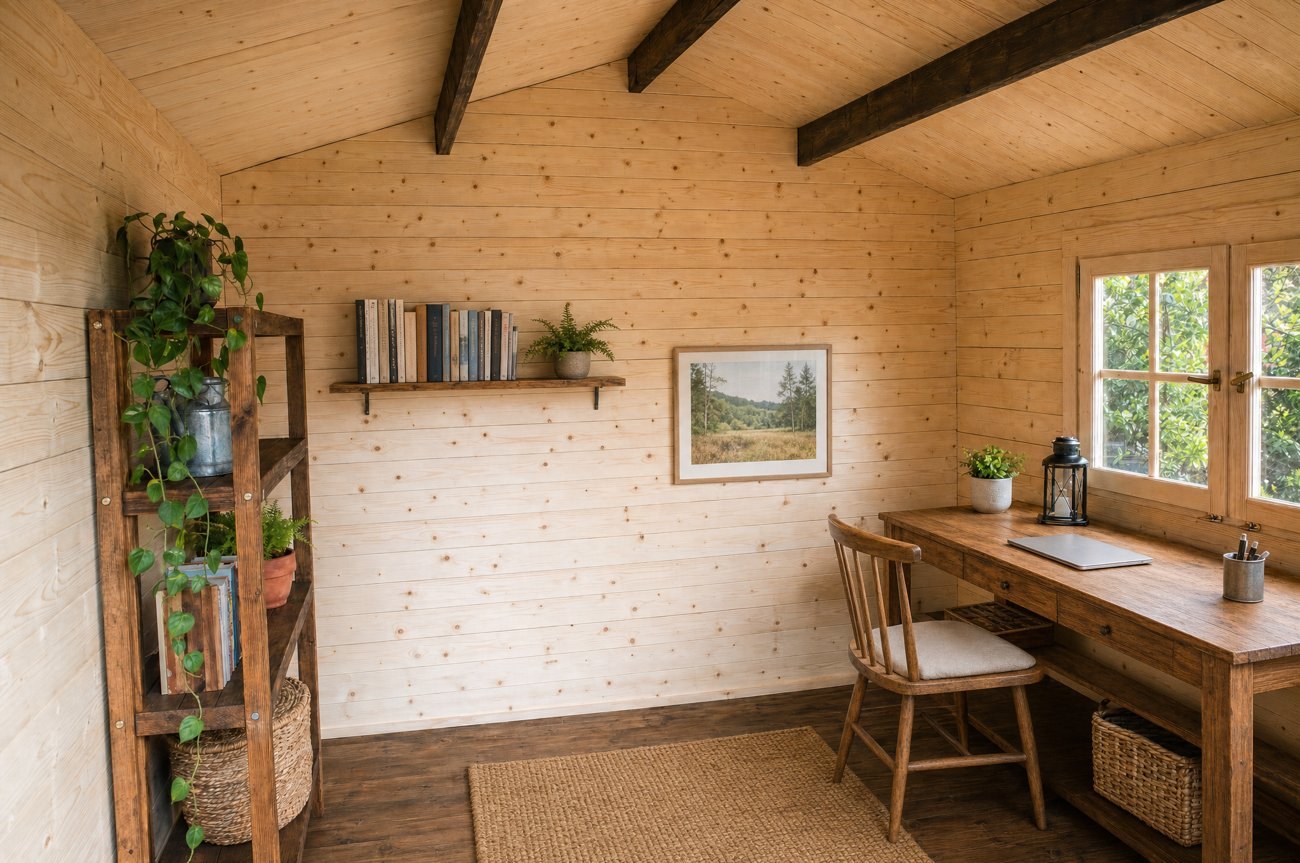
Should the interior be stained? Indoors, "stain" usually means a clear or lightly tinted protective finish rather than the pigmented exterior stains above. Most owners want to keep the bright Scandinavian look, so the priority is a clear finish that protects without yellowing, not heavy color.
The one thing to plan for: spruce, like all pale softwoods, slowly ambers (yellows) with light. If you love the pale look, choose a finish designed to resist yellowing (see below). If you want a warmer tone, a light oil enhances it on purpose.
Floors
Spruce is soft, so floors take the most abuse. Prioritize abrasion resistance and easy repair.
- Best value (recommended): a quality water-based polyurethane like General Finishes High Performance, or the easy-to-find Varathane / Minwax water-based floor poly. All sold in quarts, so 1 to 2 quarts covers a small shed floor affordably.
- Toughest (premium): Bona Traffic HD, the pro benchmark, but expensive and usually only at flooring specialists. Worth it for heavy traffic; overkill for a light-use room.
- Natural feel + easy repair: a hardwax oil (e.g. Rubio Monocoat, Osmo Polyx). Scratches spot-fix without resanding.
- Consider: area rugs in walkways; spruce is soft and dents more easily than oak.
Walls
Touched, brushed and occasionally scuffed, so it needs to wipe clean and stay light.
- Keep it pale: a non-yellowing clear matte water-based lacquer or varnish holds the fresh look.
- Scandinavian white look: a white-pigmented wood oil or wash (e.g. Osmo Raw / white wax) offsets natural ambering.
- Warm look: a light hardwax oil if you want the wood to glow rather than stay pale.
Ceilings
No traffic at all, so it's purely about looks and a little dust protection.
- Simplest: one coat of a clear non-yellowing matte finish, or leave near-raw for a true Nordic look.
- To stay bright: a white-tinted sealer (e.g. Bona NordicSeal style) keeps ceilings from going orange over the years.
- No need for tough floor-grade products up here. Save those for the floor.
Quick interior rule of thumb: floors → toughest finish (water-based poly or hardwax oil); walls → wipeable, non-yellowing clear or a white wash; ceilings → simplest clear coat. Use water-based / non-yellowing products throughout if keeping the pale look matters to you, since oil-based finishes add a golden tone and amber faster.
Troubleshooting & extra protection
Where does water actually get into a wooden shed?
Good news first: in most regions, the finish alone is enough to protect the shed. Apply your two coats, keep up the easy maintenance, and you may never need this section. But in a few extreme climates, especially long dry spells followed by hard, driving rain, water can find a way in through the knots, corners and board ends. This can happen in any region. Southern California's drought-then-storm cycle just makes it more likely there (see the SoCal section). If you ever notice water inside after a storm, wherever you live, here's the fix. It works just as well as a retrofit a year or two after assembly. Nothing here has to be done on day one.
Why it happens: as the wood dries through a hot spell it shrinks, knots can crack, and the joints loosen a little. When heavy rain finally comes, water can wick into those openings, and board ends drink water many times faster than the face of a board. How to find the culprit: after a storm, look for dark streaks below a knot or at a board end. That's your entry point.
Work up this ladder, gentlest first. It applies in every region, at any age of shed:
A fresh coat first
Clean the wall and apply one coat of your stain, worked well into the knot crevices. In dry climates, a regular fresh coat is also what keeps knots sealed. Most "knot leaks" are simply an overdue recoat, and this alone usually solves it.
Seal the specific entry points
The offending board ends with a clear end-grain sealer (e.g. Perma-Chink Log End Seal, one thin coat over fully-dried, water-based stain), and cracked knots with a clear flexible check sealant (e.g. Perma-Chink Check Mate 2; the clear version disappears into any stain color and stretches as the crack moves).
Last resort, extreme gaps only
An elastomeric textured caulk (e.g. Sashco Conceal). Use sparingly, only where nothing else stops the water: color-matching is limited, and it was designed for horizontal joints between big round logs. Run vertically up an interlocking corner it can bridge several boards, restrict the wall's natural settling, and look untidy.
These fixes take an afternoon with a brush, comfortably within DIY reach.
Important: do NOT caulk the horizontal T&G laps. Your walls are built from precise machined tongue-and-groove boards, and they are meant to settle: as the wood dries, each board seats deeper into the one below. Running caulk inside those horizontal laps glues the boards together, fights that movement, and causes uneven settling and torn seals, a worse problem than the one you're solving. The tight machined tongue-and-groove joint is already a rain barrier. Caulk only knot cracks, board-end joints and gapping corners, never the working laps.
Common questions
Frequently asked questions
The short answers. Each one is covered in more depth in the sections above.
Should I paint or stain my wooden shed?
It depends on your climate. Paint forms a protective film that lasts longer on walls but can peel and is harder to recoat. Stain penetrates the wood, will not peel, and is simpler to maintain, but needs recoating more often. In wet and marine climates a penetrating stain usually performs better; in cold and temperate regions a quality paint can last 8 to 12 years on walls.
Where does water actually get into a wooden shed?
Knots, corners and board ends are where water gets in, not the flat face of the wood. These end-grain and defect areas absorb far more moisture than flat surfaces, so they need extra attention during preparation and finishing.
Do I need special paint for a shed in Southern California?
Yes. Southern California is subject to SCAQMD air quality rules that restrict the VOC content of coatings, which limits which products can legally be used. A semi-solid opacity, low-VOC compliant system is the recommended approach for a shed in that region.
How should I prepare spruce before finishing?
Break the mill glaze by lightly sanding smooth-planed boards with 60 to 80 grit. This is essential on spruce so the finish grips and absorbs evenly. Under paint, seal knots with a stain-blocking oil-based primer to prevent tannin bleed.
Will a spruce shed change color over time?
Yes. Spruce, like all pale softwoods, slowly ambers or yellows when exposed to light. If you want to keep the pale appearance, avoid oil-based clear coats indoors because they yellow noticeably over time.
Still have a question we haven't covered? Email us at info@solidbuildwood.com. We'll happily answer it, and add it to this list.
A friendly word before you go
We wrote this guide to genuinely help, not to sell you a bigger project than you need. Most sheds only ever need a clean-down and two good coats, and they look wonderful for years. Start simple, enjoy the building, and come back to the deeper sections only if you want to, or if the weather ever finds a way in.
We've tried to make this as fair and honest as we can. It's impossible to test every product on the market, but this reflects our own practice and years of feedback from our customers. It's what we'd tell a friend. Products and formulas change, so for the fine details of any specific product, the manufacturer's help line is always the best source; they know their formulas better than anyone. And if anything here is unclear, just ask us. We're happy to help.
About this guide
Built from our own experience, customer feedback across all US regions, manufacturer data sheets and direct consultations. Key references: USDA Forest Products Laboratory, VTT Finland's 15-year spruce coating study, SCAQMD Rule 1113, and technical data from Benjamin Moore, Sherwin-Williams, PPG, TWP, Armstrong Clark, Defy, Sansin, Sashco, Perma-Chink and Preserva Wood. Verified July 2026.
Friendly guidance, not a guarantee: coating results vary with prep, application and weather, so always follow the manufacturer's current label. Product names belong to their owners. All sheds shown are real SolidBuild buildings from customer photos; finish colors and surroundings have been digitally enhanced to illustrate the options.